The Sun Eater
Jean-Kenta Gauthier Vaugirard
4 rue de la Procession 75015 Paris
Opening: Saturday 25 April, 5-8 pm
Public Conversation: Saturday 18 July with Gioia Dal Molin at Jean-Kenta Gauthier Vaugirard - [RSVP à info@jeankentagauthier.com]
Opening hours: Wed-Sat, 2-7 pm
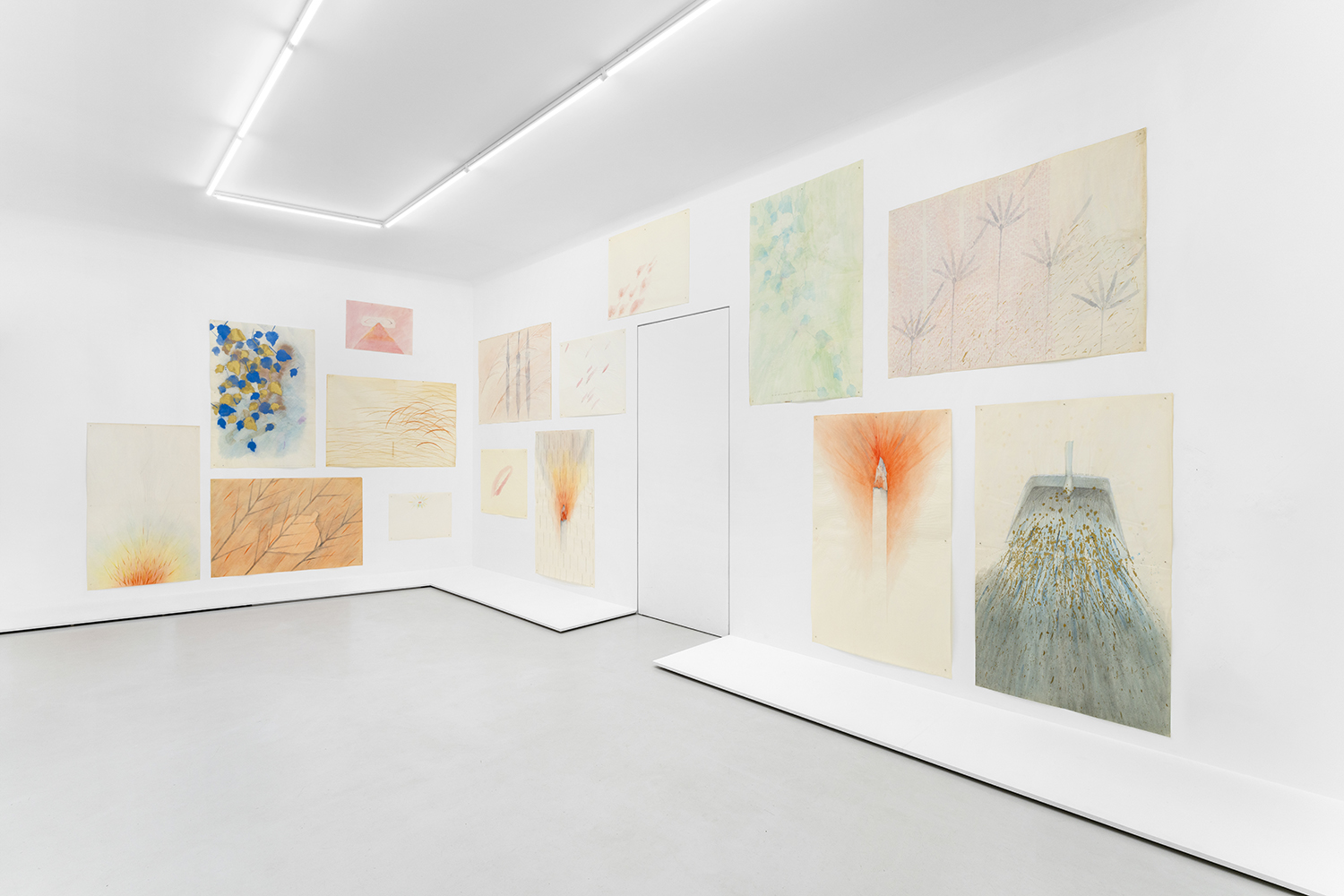
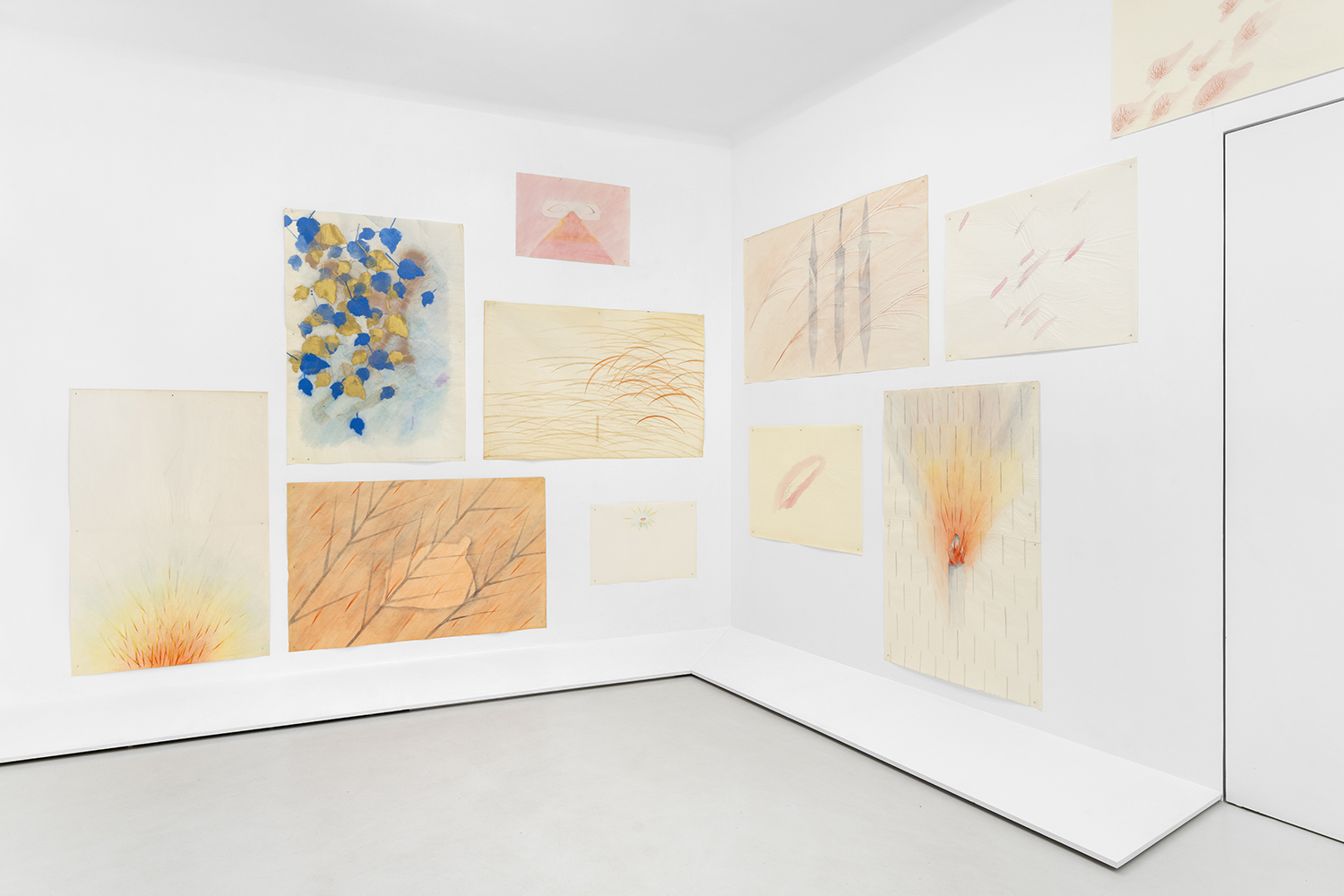
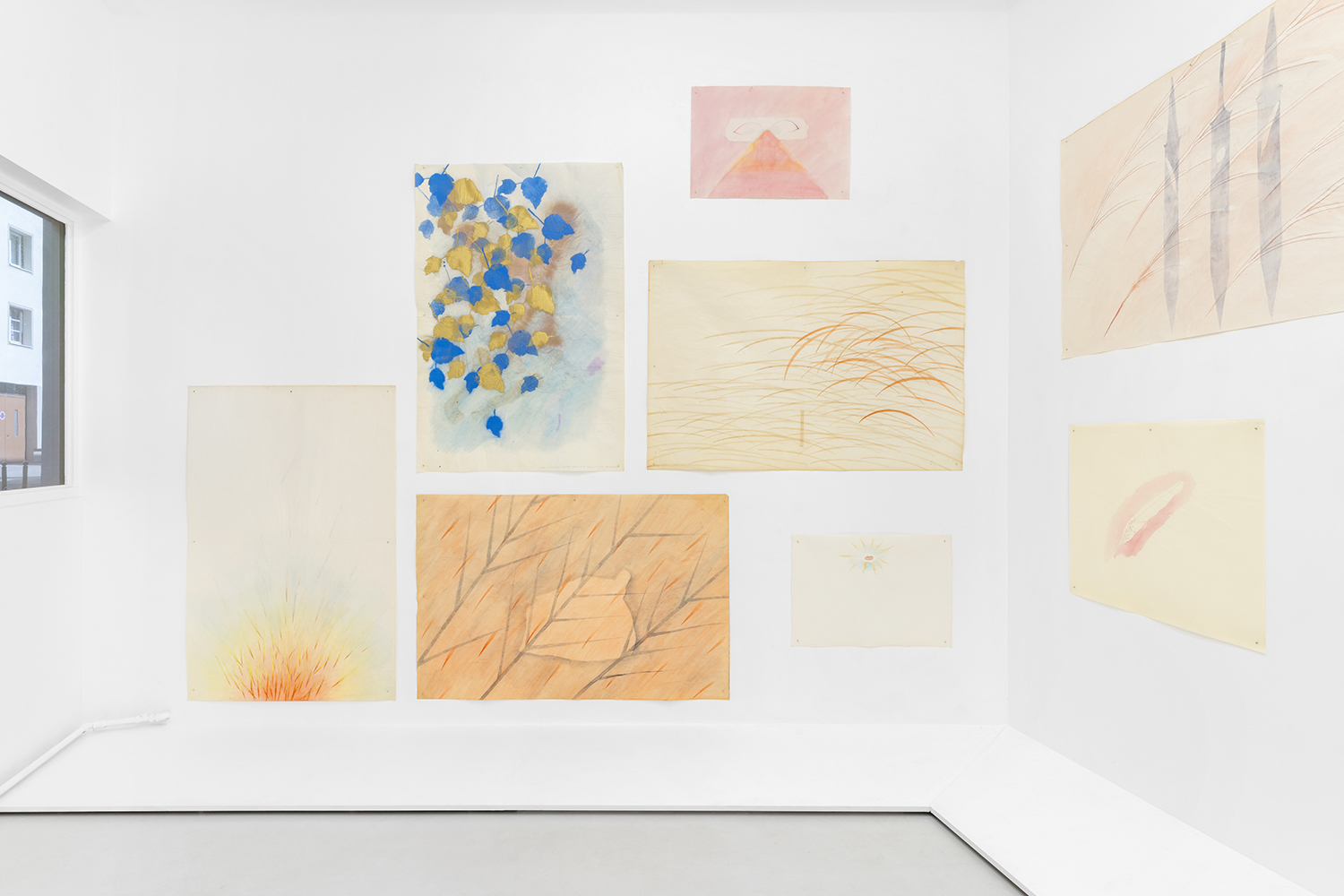
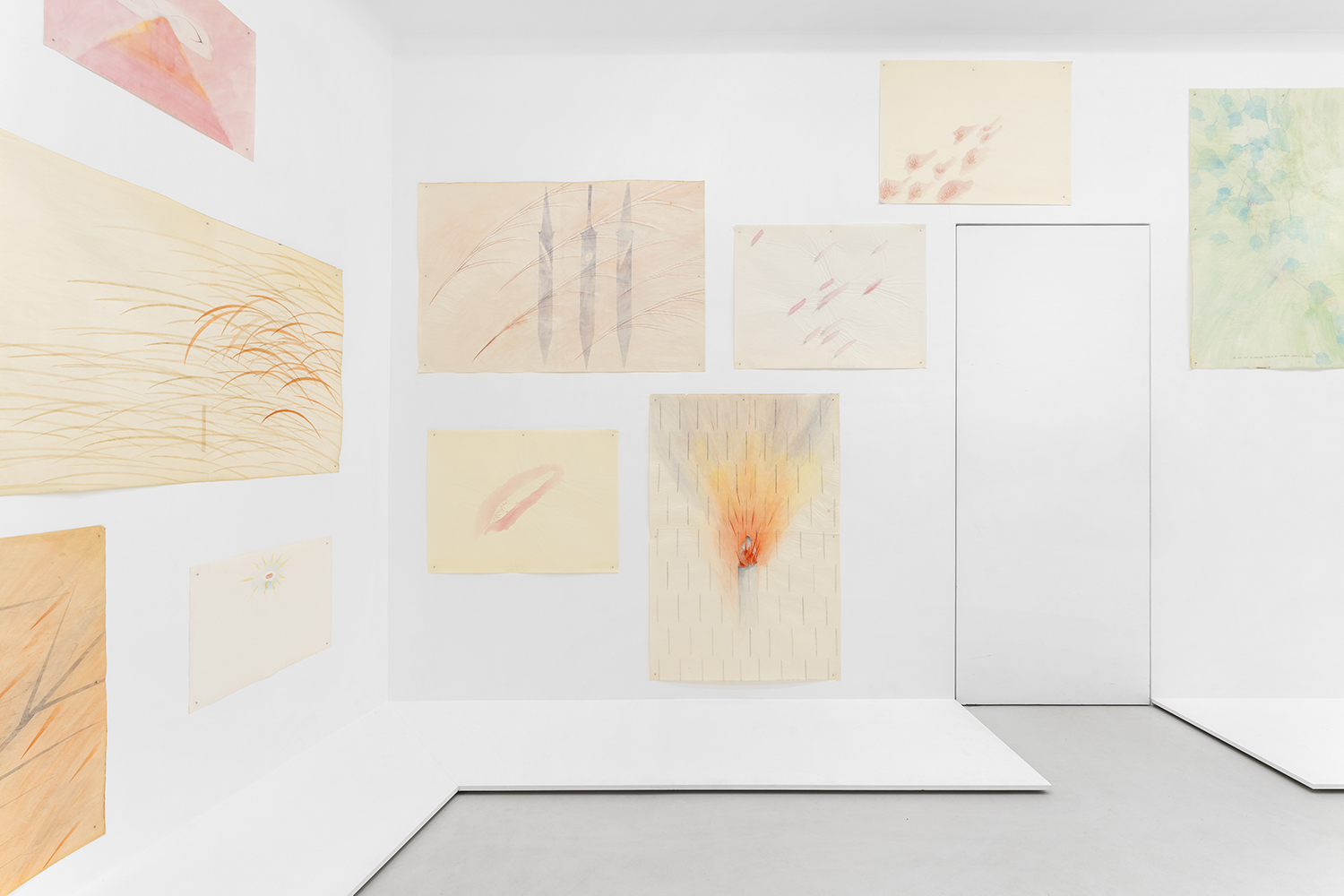
With The Sun Eater, presented at the Vaugirard gallery, Jean-Kenta Gauthier continues to explore the early work of Swiss artist Hannah Villiger, following the exhibition All the Lonely Things My Hands Have Done, shown last year at the Odéon gallery and already produced in collaboration with the Estate of Hannah Villiger.
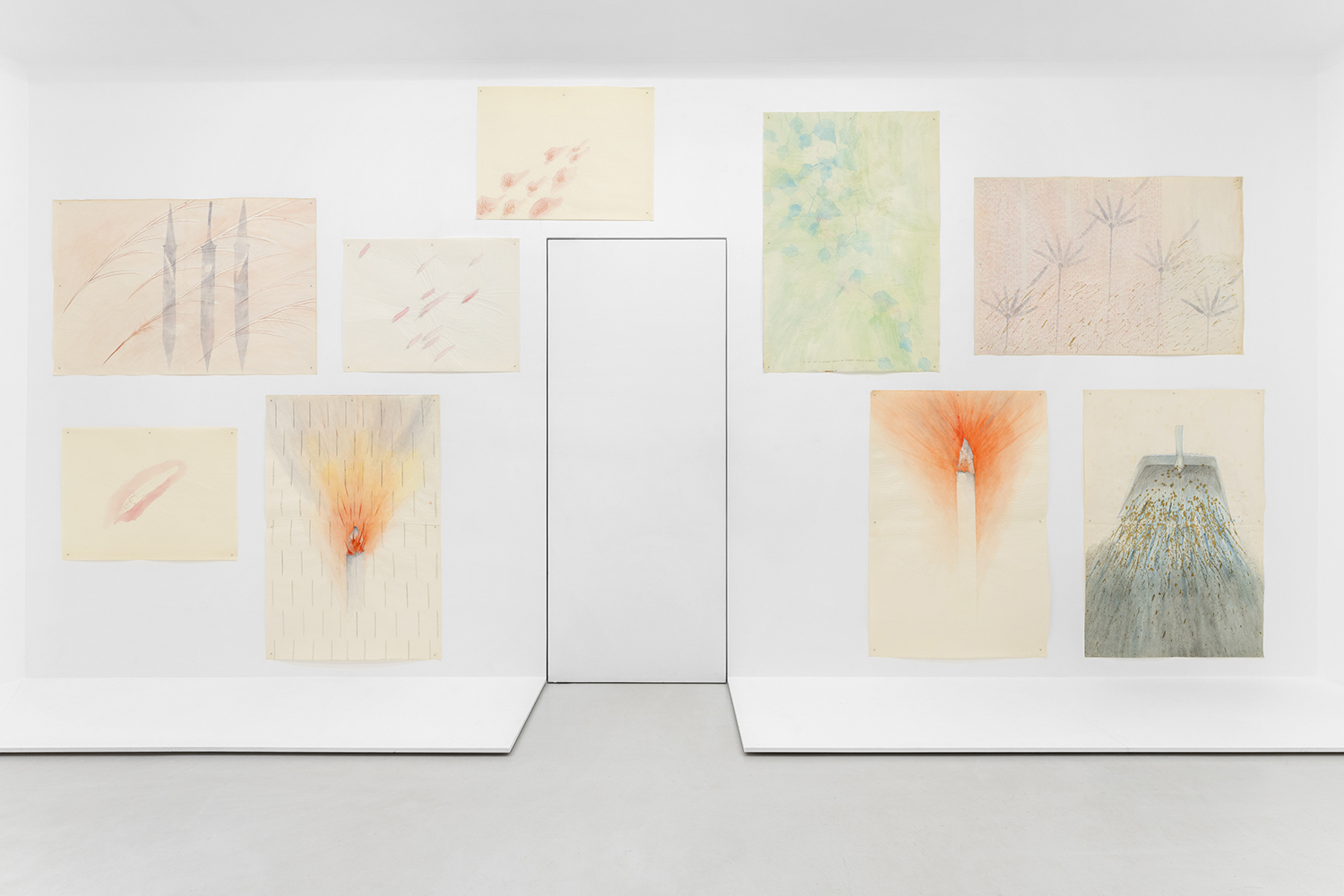
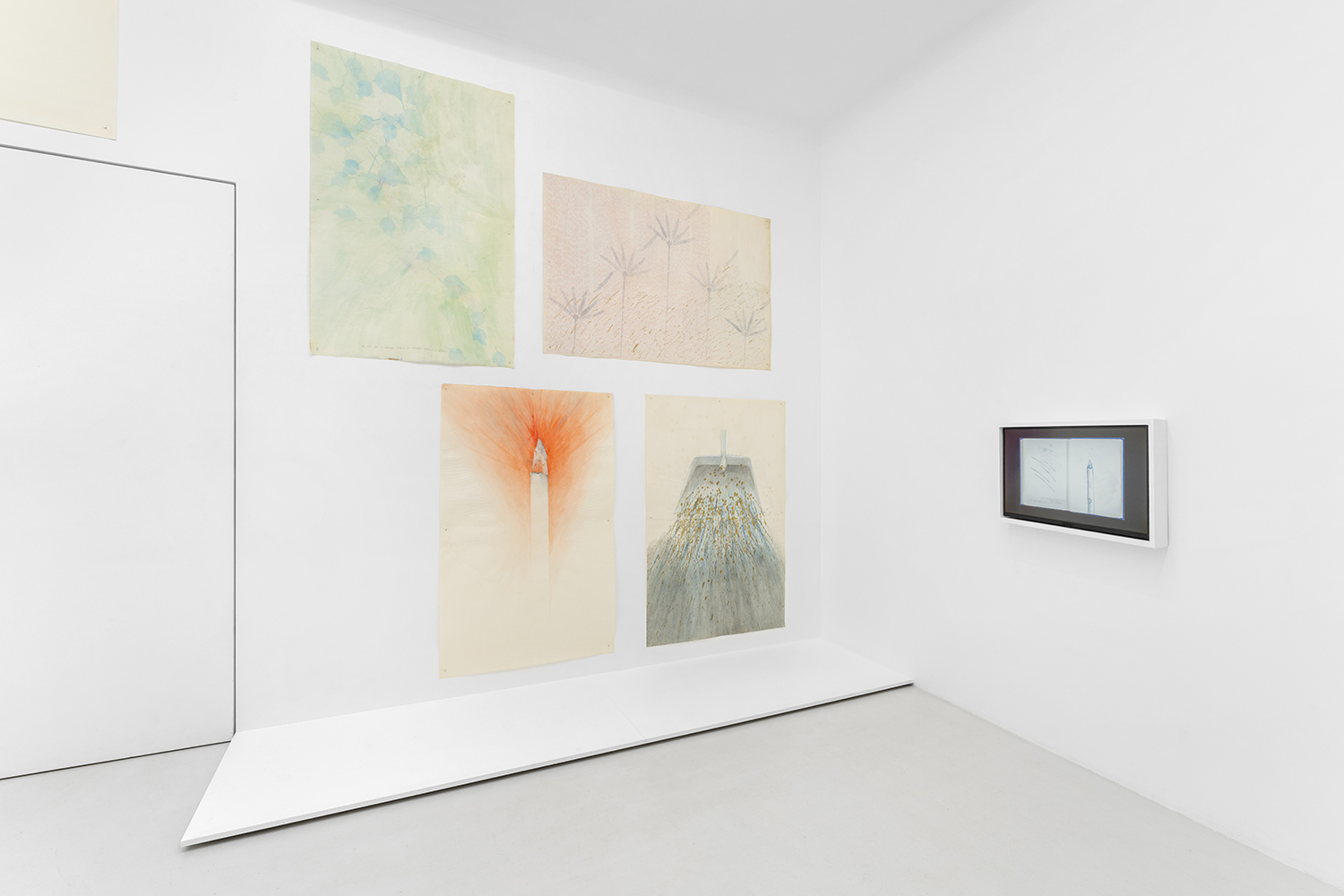
Articulated around large-format works on paper revealed to the public for the first time, The Sun Eater brings together works produced between 1976 and 1978, during Hannah Villiger's Italian period. Having arrived in Rome in November 1974 at the age of 23, she resided at the Istituto Svizzero until the summer of 1976, before extending her stay in Rome and then in Montefalco, Umbria, until September 1977, when she moved to Basel, while continuing to travel frequently to Montefalco until 1978.
"This time in Rome is decisive for Hannah Villiger's art practice," writes Gioia Dal Molin, curator of the exhibition Hannah Villiger: Works/Sculptural at the Istituto Svizzero in Rome in 2021. Prior to her time in Rome, Villiger studied at the School of Applied Arts in Lucerne under the guidance of Swiss sculptor Anton Egloff, and spent several months in the United States and Canada, where her early works established clear links with Land Art and Arte Povera.
Rome freed the artist from the constraints of Swiss Protestantism: her works teem with vital energy and musical references—such as song lyrics by Bob Dylan covering an entire large sheet—and also mark the beginning of an intense and conflictual relationship with her partner whom she met in 1975. That same year, Villiger produced large, ephemeral sculptural objects made of plant materials from the garden of the Istituto Svizzero, taking the form of lances—motifs that also appear in her works on paper. She also created a triptych of pink feathers that take flight and catch fire—at the Villa Maraini of the Istituto Svizzero in Rome, she had already set palm fronds ablaze after throwing them from the rooftop terrace. A major political and artistic center in the 1960s and 1970s, Rome embodies both the critique of modernity found in the work of Pier Paolo Pasolini and a search for primal, material forms that runs through Arte Povera, strikingly exemplified by the installation of horses by Jannis Kounellis in 1969 at L'Attico gallery.
Permeable to these influences, Villiger developed, in her studios and apartments in Rome and Montefalco, an intimate body of work punctuated by personal questioning and references to nature. The studio—and the isolation it imposes—appears as a central element, already foreshadowing the enclosed setting that would come to define her later sculptural and photographic work from 1980 onward, when the adoption of the Polaroid and the onset of illness established the artist's body as an almost exclusive subject until her premature death in 1997 at the age of 45.
The works on paper are also accompanied by a slideshow presenting numerous excerpts from fourteen notebooks kept by Villiger during these same years, selected from among the fifty-one notebooks produced between 1970 and her death, now held in the archives of the Estate of Hannah Villiger. On one of the pages appears a sketch of a work the artist would create in 1977 in Montefalco on a large sheet: a yellow bikini laid directly on the ground, accompanied by the words "Die Sonnenfresserin," "the sun eater."